Latest Fukushima Nuclear, Apr 14th, 2011. TEPCO announced today that the disaster level according to INES is at 7 equaling it to the nuclear Chernobyl accident. The amount of radioactive materials released into the surrounding area is 10% of those released after the Chernobyl accident, but still qualifies Fukushima to be at level 7 - major accident. At this time, washing leafy vegetables and consuming less milk is only a precautionary measure, more news will follow.
March 21st: Radiation level around Fukushima Daiichi have raised due to rainfall. A typical person in Japan recieves an average radiation dose of 3.75 miliSieverts/year. Radiations at levels above 100 milliSieverts/year are proven to cause cancer. Short-term exposures of emergency workers at Nuclear power plants are allowed up to 250 milliSieverts. Currently radiation levels are below 3 miliSieverts.
Latest Fukushima Nuclear, March 20th: External power connected to reactors 5 and 6, dose equivalent down from 3.44 mSv/hr to 2.75mSv/hr; Fuel ponds temperatures reduced: reactor 5 (from 68°C to 43°C), reactor 4 (from 57°C to 52°C). Reactor 3 pressure built up but no need for significant venting (sources: world nuclear news)


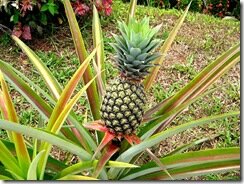 Researchers from Brazil announced successful development of a new form of plant fiber-based plastic as stiff as Kevlar and supposedly stronger, lighter yet more eco-friendly than plastics currently in use. Can we expect fiber-based dashboards in future Nissan leafs,
  A lot of people who know nothing about nuclear power are saying a lot of things these days during the Japanese nuclear crisis. I’ve toured two different nuclear reactors and my experiences there have taught me a few things that you may not know and that might shed some sober light on this subject.
 In a fast-paced, overly efficient society, diapers have become as much about speed and convenience as they have about quality and fit. Check the clock, then the diaper, grab the diaper bag, clean up the baby, wrap 'em up, strap 'em up, and move on. It’s the baby pit stop, and it is an essential reality of parenthood that occurs just about bi-hourly. Thankfully, parents are beginning to slow down enough to weigh out which diaper to use for those all too common pit stops, and for those claiming to live “green,” it is all about alternative options to the wasteful disposable diaper.
 It’s hard to tell exactly where the hybrid car industry is going to go. Just a few years ago, hybrid cars were on the rise to offset the steadily increasing gas prices. Then, murmurs of electric cars generated overwhelming enthusiasm for the prospect of never spending another dollar at the gas pump. Now, electric cars are hitting the streets and hybrids feel a bit in no man’s land between the common gasoline engine and the idealistic electric car.
 LCD TV manufacturers should certainly not panic about the recent sales statistics released, but there may be reasons to rethink the routine, electronics trends that have dictated sales prices for years.
 This is an era where many are thinking about switching out that big SUV for a car that’s better for the environment. But what about switching out your family pet for a nice indoor plant?