Why Tainted Green? Literally, green is only a color. But in typical human fashion we've pumped a cacophony of additional meanings and symbolism into the word. Green has become a marketing tool used by companies with impunity to wrap their products in a balmy haze of "ethical" and "conscientious" approval.
That's where Tainted Green steps in. We are seekers of truth, and we support the fundamental drivers behind the green movement. Ideas like permaculture, renewable energy, and recycling make sense, but companies that express support for green without a wholesome process behind it have tainted the meaning of green. And so, our focus is to create green content that pushes the ideology forward while pointing out which parts look like this year's marketing baggage. Welcome to Tainted Green, where we focus on unearthing the truth about green.
More about Tainted Green...


 You may have noticed in recent months that the coal industry has purchased a lot of ad time on cable networks. Many of them are running spots that tout coal as a clean and safe energy source that creates jobs. A group called “Coal Kills Kids” (CKK) is calling shenanigans on the dirty industry with their satiric site called “Coal Cares” that targets the world’s biggest coal company.
 While wind turbines haven’t gotten a great reception in the US, they are becoming quite common in the European Union (EU). In fact, the EU is on track to have one-half of their power from wind by
  Google aimed for a while now at reducing the amount of carbon its operations pump into the atmosphere. As the world’s largest search engine that also boasts a sprawling empire of cloud-based software the company certainly has steep power needs. While Google already has some of the most efficient data centers, it’s further affirming a commitment to going carbon neutral by purchasing 20 years worth of wind power from NextEra Energy Resources Story County II facility in Story and Hardin counties in Iowa.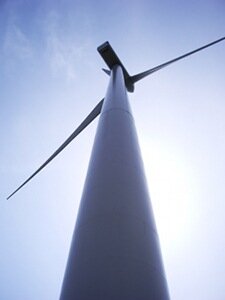
 Green cell phones seem to be the rage among manufacturers these days with phones like Sprint’s Reclaim hitting the market. But how can cell phone users and service providers go green in other ways than offering online manuals or an emerald paint job? One answer may clean or green energy.
 Wind energy has immense potential to offset carbon emissions by generating electricity from a renewable source. But it also comes with its own set of ecological and safety risks. Case in point? Recently in Sweden two turbines spun out of control in the span of a week, flinging out some of their deadly blades.
 As election losses piled up in recent years, Britain’s Conservative party was in desperate need of a makeover. David Cameron emerged from their ranks with the idea of a kinder and greener Conservative party. With a near lock on next May’s election, are Conservatives actually living or selling green?
 Wind turbines popping up in various parts of the globe are a big part of the overall renewable energy movement, but at the same time they’re a deadly problem for nearby bat populations. Bats typically travel at altitudes where wind turbine blades spin and the immediate difference in air pressure is fatal for them.
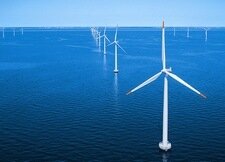 Many communities struggle with building too many wind farms near residential areas because of the eyesore it creates in an otherwise beautiful view. For South Carolina addressing that concern meant taking wind turbines offshore to a location they’ve been monitoring with sensor buoys since earlier this year. Not to mention the state has fairly low wind speeds on land at an average of less than 10mph.
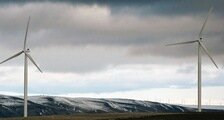 One thing the UK has plenty of is wind, and Vestas Wind Systems planned to harness that energy source by manufacturing turbines. Recently that changed though when the company announced it would be closing a factory on the Isle of Wight because of a lackluster market and not in my back yard (NIMBY) battles.