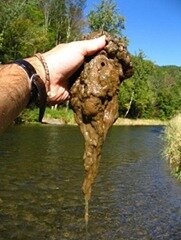
As anglers explore new waters and interact with nature in a uniquely participatory way, they often develop a conservation sensibility. Because, in spite of high tech fishing gear such as Gore-Tex waders, graphite rods, and felt-soled wading shoes, the first prerequisite for good fishing is clean water, and that depends on a resilient, intact ecosystem. Yet – regardless of how conservation-minded they might become – anglers are unwittingly damaging ecosystems by spreading invasive species such as Didymo from watershed to watershed with felt-soled waders.
Felt-soled boots were introduced in the late 1980’s. Because felt soles gave superior traction on slippery rocks and made wading swift rivers safer, they were quickly adopted by anglers. Since felt soles stay damp a long time, however, they are also a haven to transport invasive species such as Didymo (Didymosphenia geminate).


 In the age of shock and awe it takes a lot of effort to get a person’s attention, especially smokers. They’ve been told by medical professionals dangerous impact of their habit, but addiction keeps them puffing away.
  Ecosystem services refers to vital services natural systems provide that, if damaged or degraded, are expensive or impossible to replace. In the rush to exploit non-renewable energy sources, the value of these services is not currently taken into account. As a result, private interests put public assets at risk to the detriment of both public and private enterprises.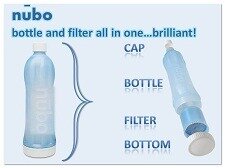
 People in the US consume eight billion gallons of water in 50 million bottles annually, in spite of an abundance of nearly free, good tasting tap water. Instead of buying bottled water, a reusable water bottle and a little planning can go a long way to both save money and the environment.
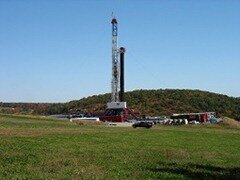 The Oscar nominated documentary “Gasland” has riled the gas industry. An industry group even appealed to Academy of Motion Picture Arts and Sciences to disqualify the documentary by claiming that “Gasland” is filled with “errors, inconsistencies and outright falsehoods.” So what is the frack is this all about?
 Documentaries don’t get a lot of love in America, but an Oscar nomination can certainly grab them attention and a prime spot on your Netflix queue. Gasland, a documentary by Josh Fox on the issue of hydraulic fracturing of natural gas, also known as hydrofracking, is generating a lot of buzz. The film has riled up natural gas companies who are now trying to spoil Fox’s hope for an Academy Award.
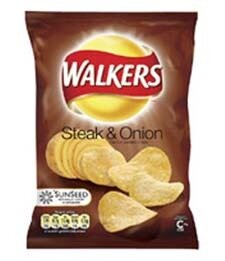 Coca-Cola and Pepsi have had one of the nastiest rivalries ever in the history of American business. Every year they try to one up each other in launching new flavors of snacks, or adopting hip green ideas like HFC free vending machines. Pepsi has taken the latest shot at the Atlanta based beverage giant with their new a web-based crop management system to help farm potatoes in the UK that will later turn into bagged chips or crisps under the Walker brand.
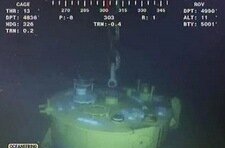 Despite the magnitude of the BP’s oil leak in the Gulf of Mexico, the topic is seeing fewer headlines now as general buzz and on it declines. It isn’t an imminent threat now, but the true fix to the problem is not yet in place and the company’s primary impediment is weather. A tropical storm forced BP to stop the drilling of a relief well on August 10, and it just resumed.
 Knowing where your food comes from is a popular topic among chefs. They want to know exactly where their potatoes were dug up from and if their beef was fed grass rather than corn. So, it’s no wonder that many chefs are wondering about seafood from the Gulf Coast in the wake of the BP Oil spill. A group of