
What a Free Solar Home Evaluation in Virginia Typically Includes
When you sign up for a free solar home evaluation in Virginia, you’re taking a practical first step toward understanding how solar energy could work for you. You’ll get expert insights into your roof’s solar exposure, your property’s energy consumption, and available state incentives. Before making any decisions, it’s important to know which factors truly affect savings and installation—so you’ll want to uncover what these thorough evaluations actually cover next.
Assessment of Roof Structure and Solar Exposure
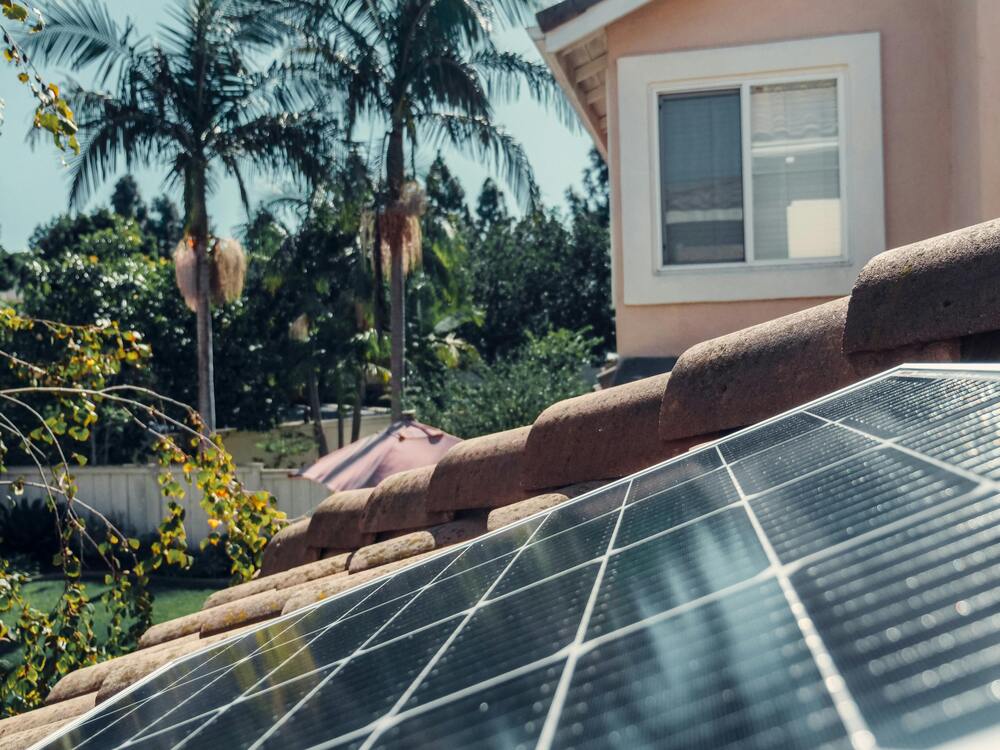
An assessment of your roof's suitability for solar panels Virginia involves a thorough evaluation by professionals during a free solar home evaluation in Virginia. This examination focuses on the structural integrity of the roof, ensuring it can accommodate both the weight of the solar panels and the logistical demands of the installation process.
Key factors considered during this evaluation include shading, roof orientation, and the materials used in the roof's construction. These elements play a crucial role in determining the potential energy production of the solar system and the expected payback period for the investment.
Assessors will also analyze historical sunlight averages for Virginia properties, particularly during peak sunlight months such as July, as well as the local weather patterns that may impact solar energy generation.
By conducting this comprehensive evaluation, homeowners can identify whether they qualify for various incentives, exemptions, and tax credits. Such programs can significantly reduce installation costs and increase savings on electricity bills, in addition to facilitating participation in net metering programs. This allows homeowners to receive compensation for excess energy produced by their solar systems.
Reviewing Energy Consumption and Utility Bills
When considering the installation of solar energy systems in Virginia, it is essential for professionals to assess your energy consumption and utility bills. This evaluation informs the design of a solar system tailored to your specific needs. Key elements under review include your property’s energy usage patterns, average monthly electric bill, and peak consumption times, often utilizing data from Appalachian Power or your local utility provider.
This analysis also highlights potential benefits related to net metering and various incentives. These can include tax credits, sales tax exemptions, and federal tax advantages, which may be applicable when filing your federal income tax return using a relevant IRS form.
A comprehensive understanding of these factors is crucial for homeowners as it provides insight into potential savings on installation costs, allows for accurate estimation of the payback period for the solar investment, and aids in assessing whether transitioning to solar energy through available programs is financially viable.
Estimating System Size Requirements
Determining the appropriate size for a solar system is primarily based on the specific energy consumption patterns and physical attributes of your home. In Virginia, a professional assessment typically involves a thorough review of your electric bill, an evaluation of available roof space, and an examination of potential shading and orientation factors.
This analysis aids in estimating the necessary panel capacity to meet your property’s annual energy requirements.
On average, homeowners in Virginia require a solar system with a capacity of approximately 6.9 kW. Installation costs for such a system are generally estimated at around $18,354, not accounting for any available incentives.
Programs such as Appalachian Power’s net metering can provide financial benefits by allowing homeowners to reduce their electricity expenses through credits for excess energy produced.
It is important to understand how the size of the solar system influences the payback period and overall savings associated with transitioning to solar energy. A well-sized system can optimize financial performance and enhance the effectiveness of solar technology for your specific needs.
Overview of Solar Incentives and Tax Benefits in Virginia
In Virginia, homeowners have access to several solar incentives and tax benefits aimed at alleviating the initial financial burden of installing a solar energy system. One significant incentive is the federal income tax credit, which allows for a 30% deduction on the installation costs. This credit can be claimed through your federal tax return using IRS Form 5695.
Additionally, the Solarize Virginia program provides opportunities for discounted solar panels as well as complimentary assessments to educate homeowners on potential savings related to their electricity bills. This can contribute to a reduced payback period for solar investments.
Another key component is the net metering policy offered by Appalachian Power; this allows homeowners to receive credits for excess electricity produced by their solar systems, which can further decrease overall electricity expenses.
These incentives, combined with the potential for increased energy independence, enable many Virginians to lower their electric bills while making a sustainable choice for energy consumption.
Overall, the collective effect of these incentives is a notable reduction in the average costs associated with adopting solar energy systems in the state.
Property Tax Exemption Considerations
In Virginia, the installation of solar energy systems can impact property taxes due to a statewide property tax exemption. Specifically, this exemption allows for a reduction in assessed value related to the solar installation, providing an 80% reduction for the first five years, followed by 70% in the next five years, and 60% thereafter.
This framework is designed to assist homeowners in mitigating their property tax burdens, resulting in an average annual savings of over $100.
While solar panels tend to enhance property value, homeowners can still take advantage of these tax exemptions. It is important for property owners to consult local regulations, as the specifics of these exemptions may vary by municipality.
Furthermore, the integration of solar energy can lead to reduced installation costs and shorter payback periods. Homeowners may also benefit from federal tax credits, which contribute additional financial incentives for switching to solar energy.
Overall, these factors can make solar energy an economically viable option for many homeowners in Virginia.
Net Metering and Power Purchase Agreement Options
In Virginia, homeowners with solar panels have a couple of options regarding the excess electricity generated. The net metering program allows participants to receive retail credits on their electric bills for surplus energy they contribute to the electrical grid.
Various utilities, such as Appalachian Power, are engaged in net metering agreements; however, the specifics can vary between providers. Therefore, it is advisable for consumers to consult their utility company for detailed information about the applicable terms and conditions.
Furthermore, individuals considering solar installations may benefit from various financial incentives. These include federal tax credits, sales tax exemptions, and other local incentives that can significantly reduce installation costs.
An alternative to outright purchasing a solar energy system is the Power Purchase Agreement (PPA). Under a PPA, homeowners can transition to solar energy without any initial investment, as they would pay only for the energy produced instead of owning the solar system.
This option can be beneficial for those who prefer to avoid the upfront costs associated with solar panel installation while still gaining access to solar energy.
Analysis of Installation Costs and Potential Payback Period
Cost transparency is essential when considering a solar home evaluation in Virginia. Participants in the assessment receive a detailed breakdown of the average installation costs, which currently stands at approximately $2.66 per watt, equating to about $18,354 for a standard 6.9 kW system.
With the application of the 30% Federal tax credit, homeowners can see their costs potentially reduced to approximately $12,847 when claimed through the IRS and federal income tax return.
In addition to the federal tax credit, evaluations take into account local incentives, property tax exemptions, and savings on sales tax, particularly for customers of Appalachian Power.
Properly sizing the solar system and taking advantage of net metering can lead to a payback period in the range of 9 to 12 years. This approach may also contribute to a significant reduction in electricity expenses over time.
Information on Solar Renewable Energy Credits (SREC)
If you are evaluating the financial advantages of installing solar panels in Virginia, it is important to consider Solar Renewable Energy Credits (SRECs). Each time your solar energy system generates one megawatt-hour of electricity, you are entitled to one SREC. These credits can be sold through various platforms, including programs like Sol Systems, which may help to reduce your electricity costs or offset the initial installation expenses.
SRECs can complement other financial incentives available in Virginia, such as net metering, federal tax credits, and exemptions from sales tax. For instance, net metering allows you to receive credit for excess electricity generated by your system, further enhancing your potential savings.
The comprehensive approach to these financial instruments, including the management of the SREC program by the Virginia Clean Energy Advisory Board, suggests that these credits are a pertinent consideration for potential solar adopters.
It is advisable to undertake a thorough analysis of how SRECs integrate with other incentives in your specific circumstances, as this can significantly impact overall return on investment.
Recommendations for Solar Installers and Contractor Selection
Selecting an appropriate solar installer in Virginia requires careful consideration beyond mere price comparisons. Key factors to evaluate include the company's credentials, local experience, and overall reputation in the industry.
It is advisable to prioritize installers with NABCEP certification, as this indicates a recognized level of competency and professionalism. Additionally, assessing customer reviews can provide insight into the reliability and quality of the company's services.
Inquire about the installer’s familiarity with local initiatives such as Solarize Virginia, which can influence available property incentives, tax credits, and net metering options. Given that installation costs can vary significantly across the state, obtaining multiple quotes is beneficial. This will affect not only your system's payback period but also the benefits associated with federal income tax returns.
Effective communication regarding installation timelines, potential additional fees, and warranty coverage is essential. A reputable installer should be willing to provide clarity on these matters.
Ultimately, selecting a qualified and experienced solar installer can enhance energy savings and optimize available tax exemptions.
Steps Toward Scheduling and Completing Solar Panel Installation
To begin the process of adopting solar energy, the first step is to schedule a complimentary home evaluation, typically available through programs such as Solarize Virginia. This initiative aims to connect homeowners with qualified experts and offer competitive pricing options.
It is advisable to complete the online registration before the July deadline to take advantage of this service.
During the evaluation, professionals will assess the solar potential of your property, provide estimates for installation costs, and outline available incentives, including federal tax credits.
Additionally, participants will receive information about net metering, anticipated energy savings, and typical payback periods for solar investments in Virginia.
Once a proposal is accepted, local installers manage the necessary permitting and installation processes.
After installation, systems may qualify for tax exemptions, potentially lowering electricity expenses for residents throughout Virginia.
This structured approach allows homeowners to make informed decisions regarding solar energy adoption and its financial implications.
Conclusion
A free solar home evaluation in Virginia gives you a clear understanding of your property’s solar potential, costs, and savings. You’ll get professional guidance on system size, incentives, financing, and installer selection. By taking this first step, you’ll know exactly what to expect and how solar can benefit your home. It’s a practical way to see if going solar fits your needs, budget, and long-term goals—so you can make a truly informed decision.